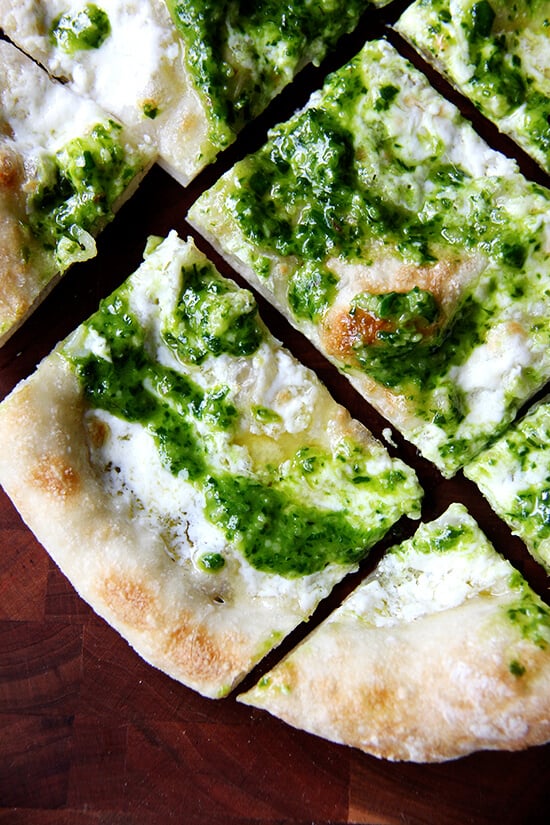
Maximize Ramp Flavor: How to Make the Best Ramp Green Pesto Pizza
As spring breathes new life into the culinary world, few ingredients ignite as much excitement among food enthusiasts as ramps. These wild leeks, with their unique garlicky-onion flavor, signal the true arrival of warmer weather and a season of vibrant, fresh produce. While ramps are versatile in countless dishes, their pungent, verdant essence shines brightest when transformed into a pesto – and even more so when crowning a perfectly baked pizza. But not just any pizza. We're talking about a ramp green pesto pizza that maximizes every ounce of that precious ramp flavor, a culinary secret that transforms a simple meal into an unforgettable gourmet experience.The Allure of Ramps: Why This Spring Delicacy?
Ramps (Allium tricoccum), often called wild leeks or wild garlic, are ephemeral treasures of the forest floor. For a brief window in early spring, usually from late March to May, foragers flock to shady, damp woodlands to harvest these pungent beauties. What makes ramps so special is their distinct flavor profile: a delightful hybrid of robust garlic and delicate onion, with an earthy undertone that sets them apart from cultivated alliums. Both their broad, tender leaves and their slender white bulbs are edible, each contributing to their complex taste. Sourcing fresh ramps can be part of the adventure. Look for them at farmers' markets during their peak season or specialty grocery stores. When selecting ramps, choose those with vibrant green leaves and firm, unblemished bulbs. Before cooking, a thorough cleaning is essential. Gently rinse them under cold water to remove any soil or debris, paying close attention to the base of the leaves where dirt can accumulate. Pat them dry, and you're ready to unlock their aromatic potential.Crafting the Ultimate Ramp Green Pesto
The foundation of our exceptional pizza lies, naturally, in an equally exceptional ramp pesto. Unlike basil pesto, ramp pesto carries a more aggressive, yet incredibly fresh, punch. The key is to balance its intensity while preserving its vibrant color and raw flavor. Here’s how to create a ramp green pesto that sings:- Ramps: Use primarily the green leaves for a milder, brighter pesto, but don't shy away from incorporating a bit of the white bulb for an extra garlicky kick. Approximately 2-3 bunches (about 4-6 cups of packed leaves) should yield enough for your pizza and perhaps some leftovers for pasta or sandwiches.
- Nuts: Traditional pesto often uses pine nuts, but walnuts or almonds can also be excellent choices, adding a rich, earthy dimension that complements the ramps beautifully. Lightly toasting them before blending can deepen their flavor.
- Cheese: Grated Pecorino Romano or Parmesan cheese adds a salty, umami depth. For a creamier pesto, a combination of both can be divine.
- Olive Oil: A high-quality extra virgin olive oil is crucial. It emulsifies the ingredients, lending a silky texture and a fruity backdrop.
- Lemon Juice: A squeeze of fresh lemon juice is non-negotiable. It brightens the flavors, cuts through the richness, and helps to maintain the pesto's vibrant green hue.
- Sea Salt and Black Pepper: To taste, enhancing all the other ingredients.
The Game-Changing Pizza Technique: Post-Bake Pesto Perfection
This is where the magic happens and where our ramp green pesto pizza truly stands out. The conventional wisdom for pizza often involves layering all toppings before baking. However, for delicate, fresh ingredients like ramp pesto, this approach can be detrimental. Baking pesto directly on a pizza crust exposes it to high heat, which can dull its vibrant color, diminish its fresh, pungent flavor, and even impart a slightly bitter taste as the delicate oils and enzymes degrade. Inspired by techniques that prioritize flavor preservation, the secret to the best ramp green pesto pizza is a two-stage process: 1. Bake it (Mostly) Naked: Start by preparing your pizza dough. Whether you opt for a store-bought dough or make your own, roll it out and place it on your pizza peel or baking sheet. Instead of slathering it with pesto, scatter your chosen cheese – perhaps creamy burrata, fresh mozzarella, or even dollops of rich ricotta – lightly across the dough. Drizzle with a generous amount of good olive oil and a sprinkle of sea salt. 2. High-Heat Bake: Transfer the pizza to a preheated oven (ideally 450-500°F / 230-260°C) with a pizza stone or steel for optimal crust development. Bake until the crust is beautifully golden brown, puffed with dramatic crests and craters, and the cheese is bubbly and lightly caramelized. The absence of heavy toppings allows the dough to truly spring in the oven, creating that sought-after airy, chewy texture. 3. The Grand Finale – Post-Bake Pesto: Immediately upon pulling the pizza from the oven, while it's still piping hot, generously brush or dollop it with your freshly made ramp pesto. The residual heat from the pizza will gently warm the pesto without cooking it, allowing its sharp, punchy flavor and vibrant green color to remain perfectly intact. A final sprinkle of flaky sea salt can further enhance the experience. This method offers a dual benefit: it ensures a superior crust with fantastic texture, and it preserves the integrity of the ramp pesto, allowing its fresh, herbaceous notes to truly shine. For a deeper dive into this transformative technique, you might find valuable insights in Perfect Your Ramp Pesto Pizza: The Post-Bake Secret.Assembling Your Masterpiece: Beyond the Basics
While the post-bake pesto technique is paramount, the other elements of your ramp green pesto pizza contribute significantly to its overall excellence.Choosing Your Base
A good pizza starts with good dough. You can purchase fresh pizza dough from your local grocery store or Italian deli, or try making it from scratch for a truly artisanal experience. Experiment with different dough types – a classic Neapolitan-style dough offers a chewy, airy crust, while a thinner, crispier crust might appeal to others.
Cheese, Please!
The reference context suggests burrata, mozzarella, or ricotta, and these are indeed fantastic choices.
- Burrata: Offers a luxurious, creamy center that oozes beautifully when the pizza is sliced.
- Fresh Mozzarella: Melts into delightful puddles of milky goodness.
- Ricotta: Provides pockets of mild, sweet creaminess that contrast wonderfully with the pungent pesto.
Optional Enhancements and Pickled Ramps
While the ramp pesto should be the star, a few thoughtful additions can elevate your pizza further:
- Pickled Ramps: Here’s where the "pickled ramps" keyword comes into play. If you have any ramp season delight: crafting the ultimate green pesto pizza creations that include pickled ramps, they make an incredible garnish! Their bright, vinegary tang provides a fantastic counterpoint to the rich cheese and fresh pesto, adding an unexpected layer of complexity and texture. Scatter a few thinly sliced pickled ramps over the finished pizza for an extra pop of flavor.
- Cherry Tomatoes: Halved cherry tomatoes, added *before* baking, will sweeten and burst, adding juiciness and a touch of acidity.
- Prosciutto or Pancetta: For meat lovers, thin slices of crispy prosciutto or pancetta (added after the bake, or crisped separately) introduce a salty, savory depth.
- Red Pepper Flakes: A pinch of chili flakes for those who enjoy a little heat.
